
Expert Youth Soccer Coaching for Peak Performance
- Nick Bertaux
- Dec 21, 2025
- 4 min read

Updated: Dec 24, 2025
Youth soccer is more than just a game; it’s a platform for developing skills, teamwork, and discipline. As a coach, your role is pivotal in shaping young athletes into not only skilled players but also well-rounded individuals. This blog post will explore effective coaching strategies, essential skills to teach, and how to foster an environment that promotes peak performance in youth soccer.
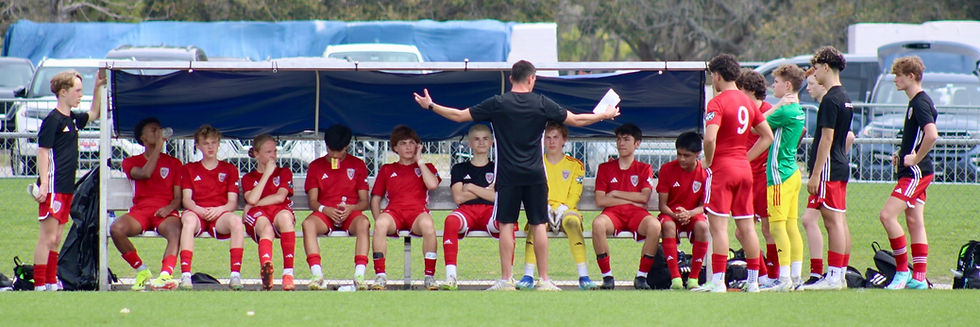
Understanding the Role of a Youth Soccer Coach
Being a youth soccer coach involves more than just teaching the rules of the game. It requires a deep understanding of the physical, emotional, and social aspects of coaching young athletes. Here are some key responsibilities:
Skill Development: Coaches must focus on teaching fundamental skills such as dribbling, passing, and shooting.
Team Building: Creating a cohesive team environment is crucial for success. This includes fostering communication and trust among players.
Motivation: Keeping young athletes motivated can be challenging. Coaches should employ various techniques to inspire players to give their best effort.
Safety: Ensuring the safety of players during practice and games is paramount. Coaches should be knowledgeable about injury prevention and first aid.
Essential Skills for Youth Soccer Players
To help young athletes reach their peak performance, coaches should focus on developing the following essential skills:
Technical Skills
Dribbling: Players should learn to control the ball while moving at different speeds. Incorporating fun drills can make this skill enjoyable.
Passing: Accurate passing is vital for team play. Coaches can use small-sided games to enhance passing skills under pressure.
Shooting: Players must practice shooting from various angles and distances. Setting up shooting drills can help improve accuracy and power.
Tactical Skills
Positioning: Understanding where to be on the field is crucial. Coaches should teach players about spacing and movement without the ball.
Game Awareness: Players should develop the ability to read the game and make quick decisions. Coaches can use video analysis to enhance this skill.
Defensive Strategies: Teaching players how to defend effectively is essential. Coaches should focus on positioning, tackling, and intercepting passes.
Physical Skills
Endurance: Soccer requires a high level of fitness. Coaches should incorporate conditioning drills into practice sessions.
Speed and Agility: Quick movements can make a significant difference in a game. Agility drills can help improve these attributes.
Strength: Building strength is important for all players. Coaches can include bodyweight exercises in training to enhance overall strength.
Creating a Positive Coaching Environment
A positive coaching environment is essential for fostering peak performance. Here are some strategies to create such an environment:
Encourage Open Communication
Feedback: Provide constructive feedback to players. This helps them understand areas for improvement while also recognizing their strengths.
Listening: Encourage players to express their thoughts and feelings. This builds trust and helps players feel valued.
Foster Team Spirit
Team Activities: Organize team-building activities outside of soccer. This can strengthen relationships among players.
Celebrate Successes: Acknowledge both individual and team achievements. Celebrating successes, no matter how small, boosts morale.
Promote a Growth Mindset
Emphasize Effort: Encourage players to focus on their effort rather than just the outcome. This helps them develop resilience and a love for the game.
Set Goals: Help players set achievable goals. This gives them something to strive for and fosters a sense of accomplishment.
Effective Coaching Strategies
To maximize the potential of young athletes, coaches should implement effective strategies during training sessions and games.
Use Varied Drills
Incorporating a variety of drills keeps practices engaging and helps players develop multiple skills. For example:
Dribbling Relays: Set up cones and have players race while dribbling the ball. This enhances their control and speed.
Small-Sided Games: These games encourage teamwork and tactical awareness. They also provide more touches on the ball for each player.
Focus on Game Situations
Simulating game situations during practice helps players apply their skills in real scenarios. Coaches can set up scrimmages that mimic the conditions of an actual game, emphasizing strategy and teamwork.
Analyze Performance
Regularly reviewing game footage can provide valuable insights. Coaches can highlight both strengths and areas for improvement, helping players understand their performance better.
Building Relationships with Players
Establishing strong relationships with players is essential for effective coaching. Here are some tips:
Be Approachable
Open Door Policy: Let players know they can come to you with questions or concerns. This builds trust and encourages open communication.
Show Interest: Take the time to learn about each player’s interests and goals. This personal connection can enhance motivation.
Be a Role Model
Exhibit Sportsmanship: Demonstrate good sportsmanship during games and practices. Players often emulate their coach’s behavior.
Maintain Positivity: Stay positive, even during challenging times. Your attitude can significantly influence the team’s morale.
Engaging Parents in the Coaching Process
Parents play a crucial role in the development of young athletes. Engaging them can enhance the overall experience for players.
Communicate Regularly
Updates: Keep parents informed about practice schedules, game times, and any changes. Regular communication fosters a sense of community.
Feedback: Encourage parents to provide feedback about their child’s experience. This can help you understand how to better support each player.
Involve Parents in Activities
Volunteer Opportunities: Encourage parents to get involved by volunteering for team events or helping with logistics. This builds a supportive community around the team.
Parent Meetings: Organize meetings to discuss team goals and expectations. This ensures everyone is on the same page.
Conclusion
Expert youth soccer coaching is about more than just teaching skills; it’s about developing young athletes into confident, skilled players who understand the value of teamwork and sportsmanship. By focusing on essential skills, creating a positive environment, and engaging with players and parents, coaches can help youth soccer players achieve peak performance.
As you embark on your coaching journey, remember that your influence extends beyond the field. You have the power to shape not only skilled athletes but also responsible and resilient individuals. Embrace this opportunity, and watch your players thrive both on and off the field.

Comments